
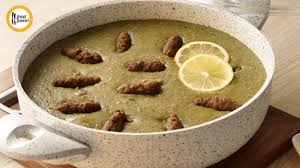
Hareesa, a traditional dish with roots in Middle Eastern, Central Asian, and South Asian cuisines, is celebrated for its rich flavors and nutritional value. This hearty dish is a savory porridge made from a blend of meat, grains, and spices, slow-cooked to a creamy consistency. Perfect for special occasions or as a wholesome meal, Hareesa is particularly popular during Ramadan. This comprehensive guide will walk you through the origins of Hareesa, essential ingredients, step-by-step preparation, variations, and tips to ensure your Halal Hareesa turns out perfectly. Therefore, let’s delve into the delicious world of Hareesa!
Origins of Hareesa
Hareesa, also known as Harees or Harissa, has a long history that spans multiple cultures and regions. Its origins can be traced back to the Middle East, specifically to the Arabian Peninsula, where it was traditionally prepared during Ramadan and special occasions. The dish was introduced to the Indian subcontinent by the Mughals and has since been embraced and adapted by various cultures, particularly in India, Pakistan, and Bangladesh. While each region has its own version of Hareesa, the core concept remains the same: a nutritious, slow-cooked porridge made from meat and grains.
Essential Ingredients for Halal Hareesa
The beauty of Hareesa lies in its simplicity and the harmony of its ingredients. Here are the essential components you will need:
Meat
Traditionally, Hareesa is made with beef, mutton, or chicken. The meat is slow-cooked until tender and shredded, blending seamlessly with the grains.
Grains
Wheat and barley are the primary grains used in Hareesa. So, these grains are soaked and cooked until they reach a creamy consistency.
Lentils
Lentils such as chana dal and masoor dal add extra protein and texture to the dish.
Spices
Spices are crucial for imparting rich flavor to Hareesa. Key spices include:
- Ginger and Garlic Paste: Adds depth and a robust flavor.
- Onions: Caramelized onions provide sweetness and a rich base.
- Green Chilies: For heat and a bit of bite.
- Turmeric: For color and health benefits.
- Coriander Powder: For earthy flavor.
- Cumin Powder: Adds warmth and complexity.
- Garam Masala: A blend of spices that adds a finishing touch.
Aromatics and Garnishes
- Fresh Coriander Leaves: For garnish and freshness.
- Mint Leaves: For a refreshing taste.
- Fried Onions: Adds a crispy texture and sweetness.
- Lemon Wedges: For a tangy finish.
- Ghee (Clarified Butter): Adds richness and flavor.
Step-by-Step Preparation of Halal Hareesa
Step 1: Preparing the Ingredients
Soaking the Grains and Lentils
- Wheat and Barley: Soak 1 cup of wheat and 1/2 cup of barley in water overnight. This softens the grains, making them easier to cook and blend.
- Lentils: Soak 1/4 cup each of chana dal and masoor dal in water for at least 1 hour before cooking.
Preparing the Meat
- Cutting the Meat: Cut 500 grams of meat (beef, mutton, or chicken) into small pieces.
- Marination: Marinate the meat with 1 tablespoon of ginger-garlic paste, 1 teaspoon of turmeric, and salt. So, let it sit for 30 minutes to absorb the flavors.
Step 2: Cooking the Meat and Grains
Cooking the Meat
- Searing the Meat: Heat 3 tablespoons of oil or ghee in a large pot. So, add the marinated meat and sear it on high heat until browned.
- Adding Water: So, add 6-8 cups of water, bring to a boil, then reduce the heat to a simmer. Cook the meat until it is tender and easily shredded, about 1.5 to 2 hours.
Cooking the Grains and Lentils
- Boiling the Grains: In a separate pot, boil the soaked wheat and barley until they are tender. So, drain and set aside.
- Boiling the Lentils: In another pot, boil the soaked lentils until they are soft. So, drain and set aside.
Step 3: Blending and Combining
Blending the Meat
- Shredding the Meat: Once the meat is cooked, remove it from the pot and shred it finely.
- Blending: Blend the shredded meat with some of its cooking liquid until smooth. So, this can be done using an immersion blender or a regular blender.
Blending the Grains and Lentils
- Pureeing the Grains: Blend the boiled wheat and barley until smooth.
- Blending the Lentils: Blend the cooked lentils until smooth.
Step 4: Cooking the Hareesa
- Combining Ingredients: In the large pot used for cooking the meat, combine the blended meat, grains, and lentils. Mix well.
- Adding Spices: Add 2 teaspoons of coriander powder, 1 teaspoon of cumin powder, and 1-2 finely chopped green chilies. Stir well.
- Simmering: Cook on low heat, stirring continuously to prevent sticking. Add water as needed to achieve a thick, porridge-like consistency. So, this process takes about 30-45 minutes.
- Finishing Touch: Add 2 tablespoons of ghee and 1 teaspoon of garam masala. So, stir well and cook for another 5-10 minutes.
Step 5: Garnishing and Serving
- Fried Onions: Top with fried onions for a sweet, So, crispy contrast.
- Fresh Herbs: Garnish with fresh coriander and mint leaves.
- Lemon Wedges: Serve with lemon wedges for a tangy kick.
- Optional: Serve with naan or paratha for a complete meal.
Variations of Halal Hareesa
1. Chicken Hareesa
For a lighter version, substitute chicken for beef or mutton. Chicken cooks faster and is easier to shred, making the preparation time shorter. Therefore, it’s a great option for a quicker meal.
2. Vegetarian Hareesa
Replace the meat with a mix of hearty vegetables such as carrots, potatoes, and peas. Increase the amount of lentils and grains to make up for the absence of meat. This version is just as delicious and nutritious.
3. Instant Pot Hareesa
Using an Instant Pot or pressure cooker can significantly reduce the cooking time. Cook the meat, lentils, and grains together under pressure for about 30-40 minutes. Blend everything afterward and simmer with spices to finish.
4. Low-Carb Hareesa
For a low-carb version, replace the wheat and barley with quinoa and use more lentils. So, this variation maintains the rich flavors and creamy texture while reducing the carbohydrate content.
Tips for Perfect Halal Hareesa
1. Slow Cooking
The key to authentic Hareesa is slow cooking. This allows the flavors to meld together and the ingredients to break down into a creamy consistency. While it’s tempting to speed up the process, patience is rewarded with a richer, deeper flavor.
2. Blending
Blending the meat, grains, and lentils is essential for the characteristic texture of Hareesa. Use an immersion blender for convenience or a regular blender for a smoother consistency. However, be cautious when blending hot ingredients.
3. Consistency
Hareesa should have a thick, porridge-like consistency. So, if it becomes too thick, add water or stock to adjust. Conversely, if it’s too thin, simmer uncovered to thicken.
4. Spices
Adjust the spices according to your taste. So, hareesa can be made milder or spicier depending on your preference. Therefore, feel free to experiment with the spice levels to suit your palate.
5. Garnishing
Don’t skip the garnishes. So, fried onions, fresh herbs, and lemon wedges add essential flavor and texture contrasts that elevate the dish.
Frequently Asked Questions (FAQs)
1. Can I freeze Hareesa?
Yes, Hareesa freezes well. Portion it into airtight containers and freeze for up to 3 months. Thaw in the refrigerator overnight and reheat on the stovetop or microwave.
2. How can I make Hareesa spicier?
Increase the number of green chilies and add a bit more garam masala. You can also add a pinch of red chili powder for extra heat.
3. What is the best meat for Hareesa?
Traditionally, beef or mutton is used due to their rich flavor and texture. However, chicken can also be used for a lighter version.
4. Is Hareesa gluten-free?
Traditional Hareesa contains wheat and barley, making it unsuitable for a gluten-free diet. However, a gluten-free version can be made using gluten-free grains like quinoa or rice.
Conclusion
Hareesa is a timeless dish that embodies comfort, tradition, and nutrition. Its rich history and widespread popularity across different cultures highlight its universal appeal. Preparing Halal Hareesa involves selecting high-quality ingredients, patiently slow-cooking them to perfection, and garnishing with care to create a dish that is both deeply satisfying and nutritious.
While the process may seem lengthy, the result is well worth the effort. Whether you’re preparing it for a special occasion or as a wholesome meal, Hareesa is sure to impress and nourish. Therefore, gather your ingredients, follow the steps outlined in this guide, and enjoy the delicious experience of making and savoring Hareesa. Happy cooking!